



The evolution of gambling A journey through history
Origins of Gambling: The Ancient Civilizations
The history of gambling can be traced back thousands of years to ancient civilizations, where games of chance were a form of entertainment and a means of social interaction. Archaeological evidence suggests that as far back as 3000 BC, the Chinese were using rudimentary dice for gambling purposes. Similarly, ancient Egyptians played a variety of games that involved betting and wagering, indicating that the allure of risk-taking has deep roots in human culture. Many have thrilling stories of big wins and losses throughout these early periods, showcasing both the excitement and the consequences of gambling.
In ancient Rome, gambling became a widespread activity among all social classes. The Romans were known for their love of betting on gladiatorial combats and chariot races, often placing wagers on the outcomes of these events. This enthusiasm laid the groundwork for more organized forms of gambling, evolving from casual bets among friends to more structured betting systems, which allowed for greater stakes and more complicated odds.
As societies continued to develop, so too did gambling. The introduction of card games in the 14th century, originating from China and spreading throughout Europe, created new opportunities for players to engage in wagering. This shift marked a significant transformation in how gambling was perceived and participated in, paving the way for modern gaming practices.
The Rise of Formal Gambling: Establishments and Regulations
The 17th and 18th centuries saw the establishment of gambling houses and the birth of the modern casino. Venice, Italy, was home to the first official casino, the Ridotto, which opened in 1638. These venues offered a variety of games and attracted wealthy patrons, symbolizing a shift in gambling from illicit activities to more accepted forms of entertainment. This transition marked the beginning of gambling as a commercial enterprise, with stories of monumental wins and devastating losses shaping the narratives of those who frequented these establishments.
As gambling gained popularity, governments started to recognize the potential for taxation and regulation. The establishment of laws surrounding gambling activities sought to protect players and ensure fair play. For instance, in the United Kingdom, the Betting Act of 1853 helped regulate betting houses and introduced licenses, laying the foundation for modern gambling legislation.
The 19th century also introduced lotteries as a means of raising funds for public projects. These state-run lotteries became immensely popular, allowing citizens to participate in games of chance while contributing to societal needs. The intertwining of gambling with government interests signified a recognition of its potential economic benefits and solidified its role in society.
The Evolution of Gambling in the 20th Century
The 20th century marked a significant evolution in gambling, particularly with the advent of new technologies and the establishment of Las Vegas as the gambling capital of the world. In the 1930s, Nevada legalized casino gambling, leading to the rapid development of lavish resorts and entertainment venues that offered a wide array of gaming options. This phenomenon transformed the perception of gambling into a glamorous and thrilling experience, with numerous stories emerging about extraordinary wins and heartbreaking losses.
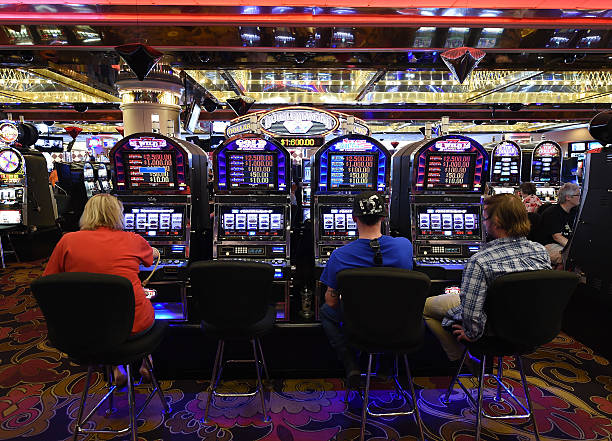
Post-World War II, the popularity of gambling further surged with the introduction of slot machines and other electronic gaming devices. These innovations attracted a broader audience, including those who might have been hesitant to participate in traditional card games or betting. The advent of electronic gambling also paved the way for more sophisticated operations, allowing casinos to manage larger volumes of players and wagers.
The latter half of the century witnessed the emergence of online gambling. With the rise of the internet in the 1990s, players could now gamble from the comfort of their homes. Online casinos began to proliferate, offering a diverse range of games, including slots, poker, and sports betting, which forever changed the landscape of gambling. This digital transformation introduced new challenges in regulation and responsible gambling practices.
The Modern Era: Trends and Innovations
The current landscape of gambling is characterized by rapid technological advancements and changing consumer preferences. Mobile gambling has taken the industry by storm, allowing players to access their favorite games anytime and anywhere. The convenience of mobile apps has expanded the reach of gambling, attracting a younger demographic that values accessibility and variety. Platforms like https://jettoncasino.net.ua showcase how these advancements have reshaped player experiences.
Additionally, the introduction of live dealer games has bridged the gap between online and traditional casino experiences. Players can interact with real dealers in real-time through video streaming, creating a more immersive atmosphere. This trend highlights the industry’s ongoing commitment to enhancing user engagement and satisfaction, ensuring that gambling remains appealing in an increasingly digital world.
Moreover, the rise of cryptocurrency in gambling has further revolutionized transactions. Cryptocurrencies offer anonymity and swift transactions, appealing to those who prioritize privacy in their gambling activities. As more online casinos adopt these payment methods, the intersection of technology and gambling continues to evolve, showcasing the industry’s adaptability to consumer demands and technological capabilities.

Jetton Casino: A New Era of Online Gaming
As the gambling landscape continues to evolve, platforms like Jetton Casino exemplify the modern online gaming experience. With a wide array of slots, table games, and live dealer options, Jetton Casino caters to both novice and experienced players seeking thrilling gaming adventures. Its user-friendly interface ensures that everyone can navigate the platform with ease, making it a prime destination for online gambling enthusiasts.
In addition to its extensive gaming library, Jetton Casino offers a generous welcome package, including substantial bonuses and free spins for new players. Such incentives not only enhance the gaming experience but also encourage players to explore the platform further. The inclusion of various payment methods, including cryptocurrencies, facilitates seamless transactions, making it convenient for users to manage their funds.
Moreover, Jetton Casino prioritizes customer support, providing 24/7 assistance to players. This commitment to service quality reflects the evolving expectations of modern gamblers who seek reliable and responsive platforms. As the gambling industry continues to grow, Jetton Casino stands out as a beacon of innovation and player-centric design, promising an exciting journey for all who enter its virtual doors.