



Exploring the cultural dimensions of gambling in contemporary society
Historical Context of Gambling
Gambling has been a part of human civilization for millennia, serving various purposes across different cultures. Ancient civilizations engaged in gambling for entertainment, social bonding, and even as a means of decision-making. From the rolling of dice in ancient Rome to card games in China, gambling evolved alongside society, often reflecting cultural values and beliefs. This historical lens provides insight into how gambling practices shaped and were shaped by the social dynamics of the time. You can join in on this exhilarating experience by checking out Ice Fishing Live, which brings a new thrill to modern gambling.

In contemporary society, these historical practices influence current gambling norms and behaviors. The evolution of gambling legislation and its integration into mainstream entertainment demonstrate a shift from taboo to acceptance. As societies modernize, gambling has transitioned from clandestine activities to established industries, contributing significantly to economies worldwide.
Gambling as a Social Activity
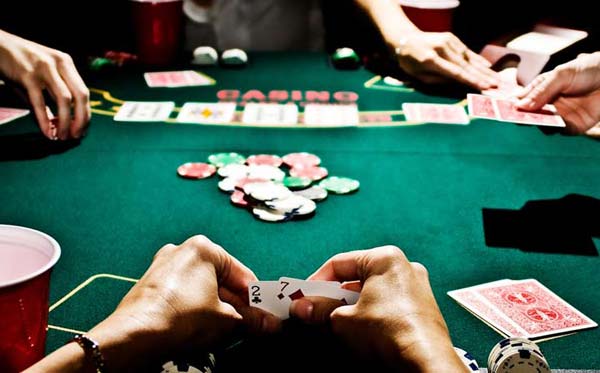
In today’s world, gambling is not merely an individual pursuit; it functions as a collective social experience. Many people enjoy visiting casinos, participating in sports betting, or engaging in online gambling platforms with friends and family. These social aspects foster community interactions, often breaking down social barriers and encouraging camaraderie. Whether it’s a night out at a casino or a friendly poker game at home, gambling brings people together in unique ways. As a crucial social lubricant, it plays an important role in contemporary leisure culture.
Moreover, gambling has become intertwined with social events, holidays, and celebrations. It is common to see gambling-themed parties or events during major sports tournaments, where fans gather to place bets and cheer for their teams. This communal aspect reinforces gambling’s role, making it a crucial part of contemporary leisure culture.
Gambling and Cultural Identity
Gambling practices can significantly influence and reflect cultural identity. In many societies, certain games and forms of gambling are tied to cultural heritage and traditions. For example, indigenous communities may engage in traditional games that hold historical significance, serving not just as entertainment but also as a means of preserving cultural narratives. As these practices are passed down through generations, they contribute to the community’s identity and cohesion.
Conversely, the globalization of gambling has led to the fusion of various cultural practices. Online platforms allow for cross-cultural interactions, where players from different backgrounds participate in the same games. This blending can create a unique cultural tapestry, but it also raises questions about cultural appropriation and the preservation of traditional gambling practices in a rapidly modernizing world.
The Psychological Dimensions of Gambling
Gambling is not only a cultural phenomenon but also a psychological one. The thrill of risk, the allure of winning, and the potential for monetary gain can create a powerful psychological draw. Many individuals are attracted to gambling because it activates the brain’s reward system, leading to feelings of excitement and euphoria. This psychological aspect can enhance the cultural acceptance of gambling as a form of entertainment.
However, the psychological dimensions of gambling also encompass darker realities, including addiction and negative mental health outcomes. Societal perceptions of problem gambling have shifted, with growing awareness of its impact on individuals and communities. Understanding these psychological elements is crucial for creating responsible gambling initiatives that promote healthy engagement while minimizing harm.
Website Overview and Responsible Gambling
This article serves as a comprehensive exploration of the cultural dimensions of gambling in contemporary society. By examining its historical roots, social aspects, cultural identity, and psychological implications, we offer a nuanced understanding of gambling’s role today. It’s essential to acknowledge both the enjoyment and potential risks associated with gambling, especially in an era where online platforms make it more accessible than ever.
As we navigate this cultural landscape, responsible gambling practices are paramount. Educational initiatives and support systems are essential to ensure that individuals can engage with gambling safely and positively. Awareness and understanding can help balance enjoyment with responsibility, fostering a healthier gambling culture in society.