



The cultural tapestry of casinos Exploring their significance in society
Historical Context of Casinos
Casinos have a rich history that dates back to ancient civilizations, where gambling was often a social activity linked to rituals and festivities. The establishment of formal gambling houses in the 17th century marked a significant turning point, as these venues became centers for social interaction and cultural exchange. Over the years, casinos evolved from small establishments to grand resorts, reflecting societal changes and the growing acceptance of gambling as a form of entertainment. As you explore the best online casinos, you’ll discover how these venues symbolize more than just the thrill of chance.
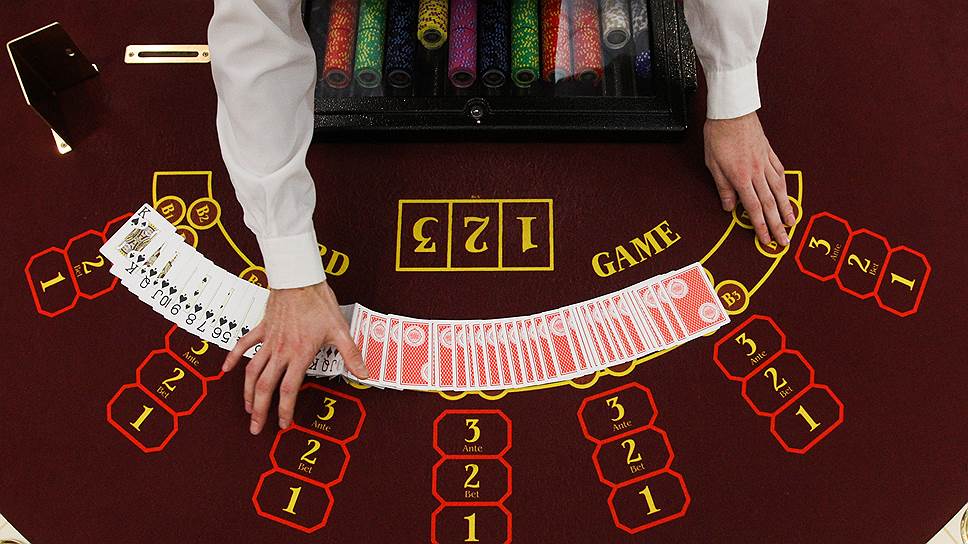
In various cultures, casinos symbolize more than just a place to gamble; they represent aspirations, dreams, and the pursuit of fortune. The rise of Las Vegas as a global gambling hub illustrates how casinos can shape a city’s identity, influencing everything from tourism to local economies. This historical perspective highlights the integral role casinos play in shaping cultural narratives around wealth and risk.
Cultural Perspectives on Gambling
The perception of gambling varies across different cultures, with some viewing it as a leisurely pastime, while others regard it with suspicion or moral concern. In many societies, gambling is intertwined with tradition, such as during festivals where games of chance are played. This cultural significance often leads to a vibrant atmosphere that enhances communal bonds, showcasing how gambling activities can serve as a social glue.
Moreover, the rise of online casinos has transformed these cultural perspectives, making gambling more accessible while challenging traditional norms. As people from diverse backgrounds engage with online platforms, new cultural narratives emerge, influencing how societies view chance and luck. This evolution raises questions about responsible gaming and the societal impact of gambling in the digital age.
Economic Impact of Casinos
Casinos contribute significantly to local economies, creating jobs and generating revenue through taxes. The financial influx from tourism and gaming can revitalize struggling regions, providing essential funds for infrastructure and community services. This economic benefit is often highlighted as a reason for supporting the establishment of new casinos in various locations, showcasing their potential to spur growth and development.
However, this economic impact is not without controversy. Critics argue that the social costs, such as addiction and crime, can outweigh the financial benefits. As societies grapple with these complexities, the challenge lies in balancing the economic advantages of casinos with the need for responsible gambling practices. This duality reflects the intricate relationship between gambling, culture, and society.
Casinos as Cultural Spaces
Beyond gambling, casinos often function as cultural spaces where art, music, and entertainment converge. Many casinos host live performances, exhibitions, and themed events, enriching the cultural landscape of their respective locations. This aspect enhances the overall experience for visitors, making casinos not just places to gamble, but also venues for artistic expression and community engagement.
The design and architecture of casinos also play a crucial role in their cultural significance. From opulent interiors to themed environments, the aesthetic choices reflect cultural values and aspirations. This creative expression contributes to a unique identity for each casino, further embedding them into the local culture and tourism narrative.

Exploring More About Casinos Online
For those interested in delving deeper into the world of casinos, online platforms offer a wealth of information and resources. Websites dedicated to casino reviews, gaming strategies, and responsible gambling practices can guide newcomers and seasoned players alike. As the online gambling landscape continues to expand, these resources are invaluable in navigating the myriad options available.
Moreover, engaging with online communities allows for discussions about cultural perspectives on gambling, sharing experiences and insights that enrich understanding. Whether exploring historical contexts, economic impacts, or cultural significance, the world of casinos offers a multifaceted tapestry that continues to evolve and influence society.